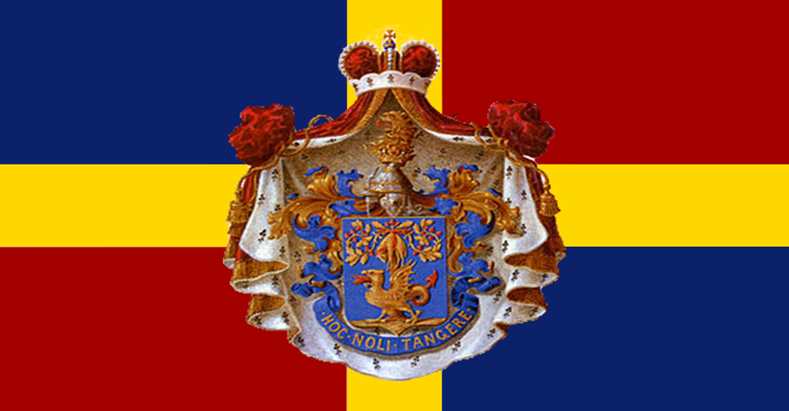



Golden dragon banner representing the royal Dadiani dynasty

Royal Dynasty of Dadiani Princes

Royal Blood · Heritage · Dynasty

Official website of the Royal Dynasty of Dadiani Princes

The House

The Dadiani Dynasty

One of the oldest princely houses of the Caucasus, the Dadiani ruled Samegrelo (Mingrelia) — the land of ancient Colchis — for more than seven centuries, from the age of the Georgian kingdom to the Russian Empire.

  1. 12th century

    Origins

    The Dadiani first appear as eristavi (dukes) of the Kingdom of Georgia, entrusted with the western marches of the realm under the Bagrationi kings.

  2. 1258–1704

    Princes of Samegrelo

    After the fragmentation of the Georgian kingdom, the house governs Mingrelia as a sovereign principality, defending the Black Sea coast against Ottoman incursions.

  3. 18th–19th century

    Patrons and builders

    The Dadiani palaces of Zugdidi become a centre of Georgian culture — libraries, European art collections and one of the death masks of Napoleon Bonaparte, brought into the family through the marriage with the Murat line.

  4. Today

    The lineage continues

    The descendants of the house carry its name, its motto and its duty: to defend the honour of the family and represent Georgia on the world stage.

Founded

12th century

Realm

Samegrelo · Colchis

Seat

Zugdidi Palace

Motto

Hoc Noli Tangere

Emblem

Golden griffin

Title

Prince (Mtavari)

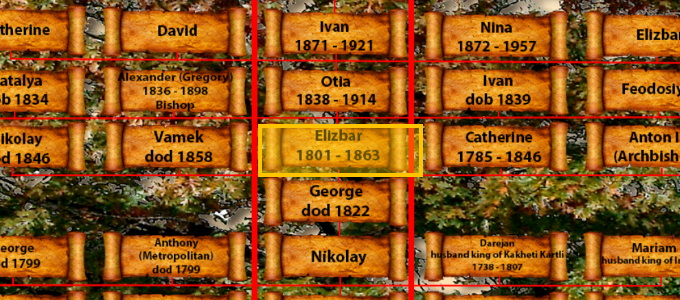
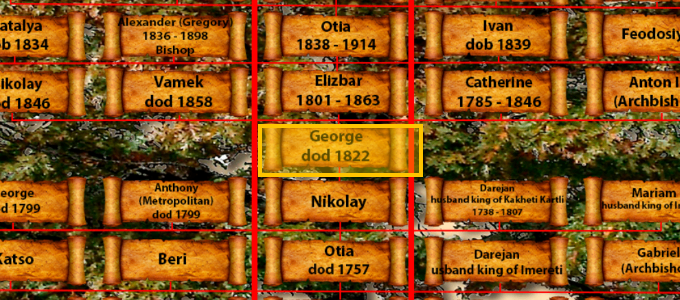
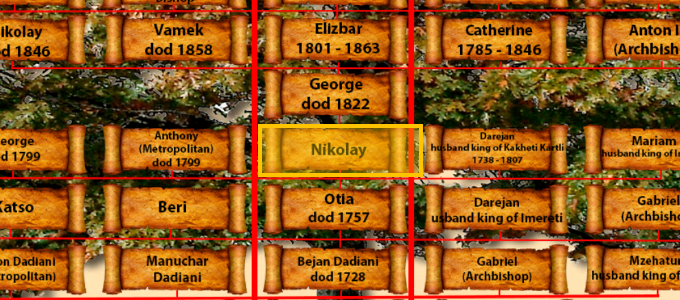
Genealogical Tree of the House of Dadiani

Genealogical Tree of the House of Dadiani
Click to enlarge
Genealogical tree of the royal House of Dadiani — sovereign princes of Mingrelia, heirs of Colchis, the land of the Golden Fleece, kings of Abkhazia and Svaneti.

Members of the House

The direct ancestral line of Prince Dmitry Vladimirovich Dadiani — from the ruling princes (mtavari) of Mingrelia to the present day.

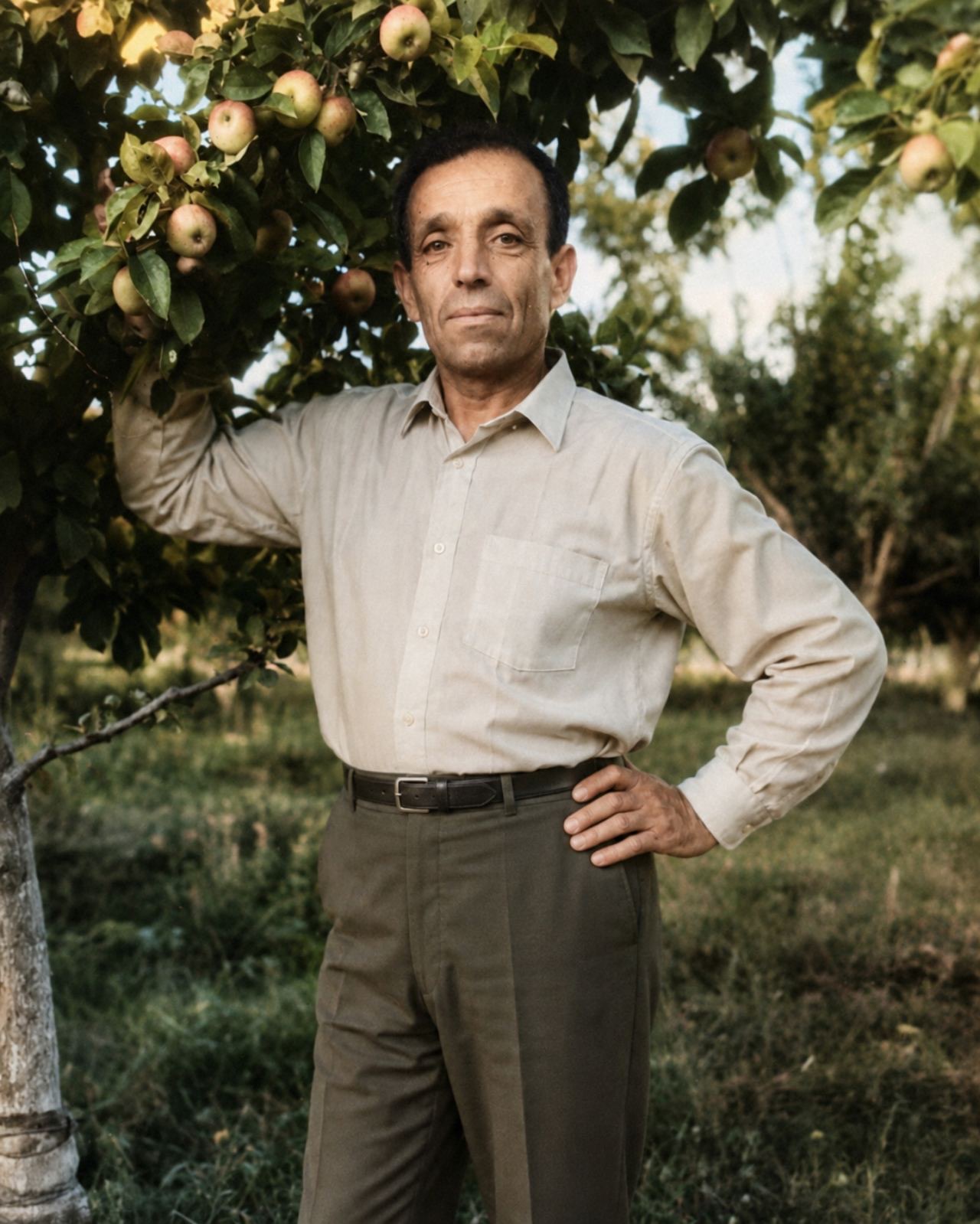
Vladimir Mikhailovich Dadiani-Mingrelsky “Vlad Dadiani”

Vladimir Mikhailovich Dadiani-Mingrelsky “Vlad Dadiani”

b. 1954

Head of the Royal House of Dadiani, Vlad Dadiani-Mingrelsky

Prince — born in 1954.

A descendant of the hereditary (“stolpovoye”) nobility, whose lineage is recorded and reflected in the charters of Romanos III Argyros, Emperor of the Byzantine Empire, and, in 1027, of King Bagrat IV of Kartli; and of the Caucasian Queen Tamar, who in 1183 granted her Minister of the Court VARDAN DADIANI the royal historic lands of ancient “Colchis” — the Principality of “Mingrelia” — founding the royal dynasty of the Princes Dadiani in the lands of “Colchis”, which at that time held lands inhabited by all the smaller peoples of the Caucasus.

Today the dynasty is one of the oldest royal dynasties on the planet to have preserved its descendants.

Confirmations of its hereditary noble dignity were granted to the House by charters of King Vakhtang VI of Kartli and, in 1788, of King Erekle II of Kartli-Kakheti.

The dynasty of the Sovereign Princes Dadiani reigned in Mingrelia, Abkhazia and Svaneti…

“MINGRELIA” is one of the most ancient states on the planet — following the tradition that this mountainous country is the successor of “COLCHIS”…

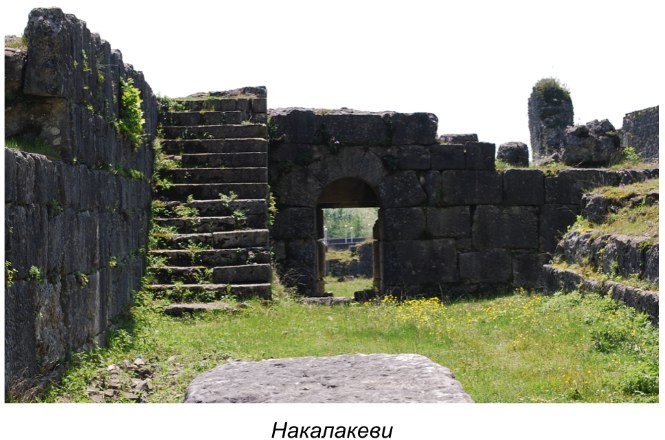
It is academically established that the Mingrelian settlement of “NOKALAKEVI” — the city of the GOLDEN FLEECE, heritage of the planet — is ancient “EA”, known in ROME as “ARCHAEOPOLIS”, the capital of the Colchians, the city visited by the ARGONAUTS…

As a sign of this continuity, the coat of arms of the House of DADIANI bears a Dragon guarding the “GOLDEN FLEECE” hanging from a tree…

The Principality of Mingrelia was abolished (annexed) in 1867 after 500 years of sovereignty recognised by countries around the world. This was done against the will of the last Sovereign Prince DAVID DADIANI and HIS Government, in violation of numerous previously concluded treaties, incorporating it into the Kutaisi Governorate of the Russian Empire.

A professional human-rights defender, founder of “DENPIS” at the “MONARCHICAL HOUSE — ROYAL DYNASTY OF THE PRINCES DADIANI IN KYIV” (“MD-TsDKD”), author of the book “Presumption of Innocence, or How to Remain Innocent in a Road Accident”.

Human-rights defender of the “MFZPV”, head of the council of the “League of Human Rights Defenders”, author of a series of books and television programmes “Presumption of Innocence”, head of the specialised legal directorate USS, MSS-911, of the department of transport and road safety of Ukraine, director of the “International Internet Centre for Independent Expert Legal Investigation of Traffic Incidents”.

General, jurist, law-enforcement officer, executor of the United Nations General Assembly Resolution of 02.03.2010, which launched the Decade of Action for Road Safety (2011–2020) — measures to be taken by the heads and rulers of all countries to end the undeclared war on the roads and the growing number of victims.

From 1975 to 1988 he studied at various institutes of special designation. Continuer and custodian of the memorial heritage of the dynasty of the Princes Dadiani. A jurist specialising in the protection of law and legal relations. He has developed approaches to improving law and order and justice in judicial and investigative proceedings, road safety, the reduction of road accidents and fatalities, and the guarantee of justice in road-accident proceedings. He knows from what, why and how road accidents occur, and what the rulers of countries must do to reduce them.

Within the framework of the UN resolution he wrote the books “The Driver’s ABC, or How to Remain Innocent in a Road Accident” and “Presumption of Innocence, or How to Conduct an Inspection of the Scene of a Road Accident” — an appendix to the traffic regulations and the “Euro-protocol” — which have been bestsellers for many years for drivers, police officers, investigators, prosecutors, lawyers, experts and judges.

Developer and author of the educational-legal and scientific-educational television programme “Presumption of Innocence”. Creator of the international internet centre “DENPIS”, which is building a multimillion-strong International Defence of Drivers of All Countries of the World; its independent, non-governmental legal expertise makes it possible to conduct proceedings, investigation, prosecution and trial with a decision or verdict issued without error, avoiding the conviction of an innocent person and protecting the court from an erroneous verdict; justice is established and the methodology for determining fault in road accidents is put in order in all countries of the world, with the aim of eliminating deficiencies, erroneous findings of guilt and the prosecution of the innocent — for the courts of the United Kingdom, France, Germany, Italy, Switzerland, Sweden, Norway, Poland, Portugal, Romania, Serbia, Finland, Denmark, Austria, Belgium, Ukraine, Russia, Turkey, Spain, and in other countries of the world: the USA, Canada, China, Japan, India, Australia, Brazil, Argentina, Chile, Singapore — fairly, competently and completely, making DENPIS publicly available to drivers and their insurance companies, which receive from it a certificate — insurance of innocence in a road accident. He developed the methodology for carrying out legal expert examinations of facts and events in order to eliminate errors and deficiencies.

Son of Prince Mikhail Ivanovich Dadiani, grandson of Prince Ivan Otievich Dadiani, great-grandson of Prince Otia Elizbarovich Dadiani.
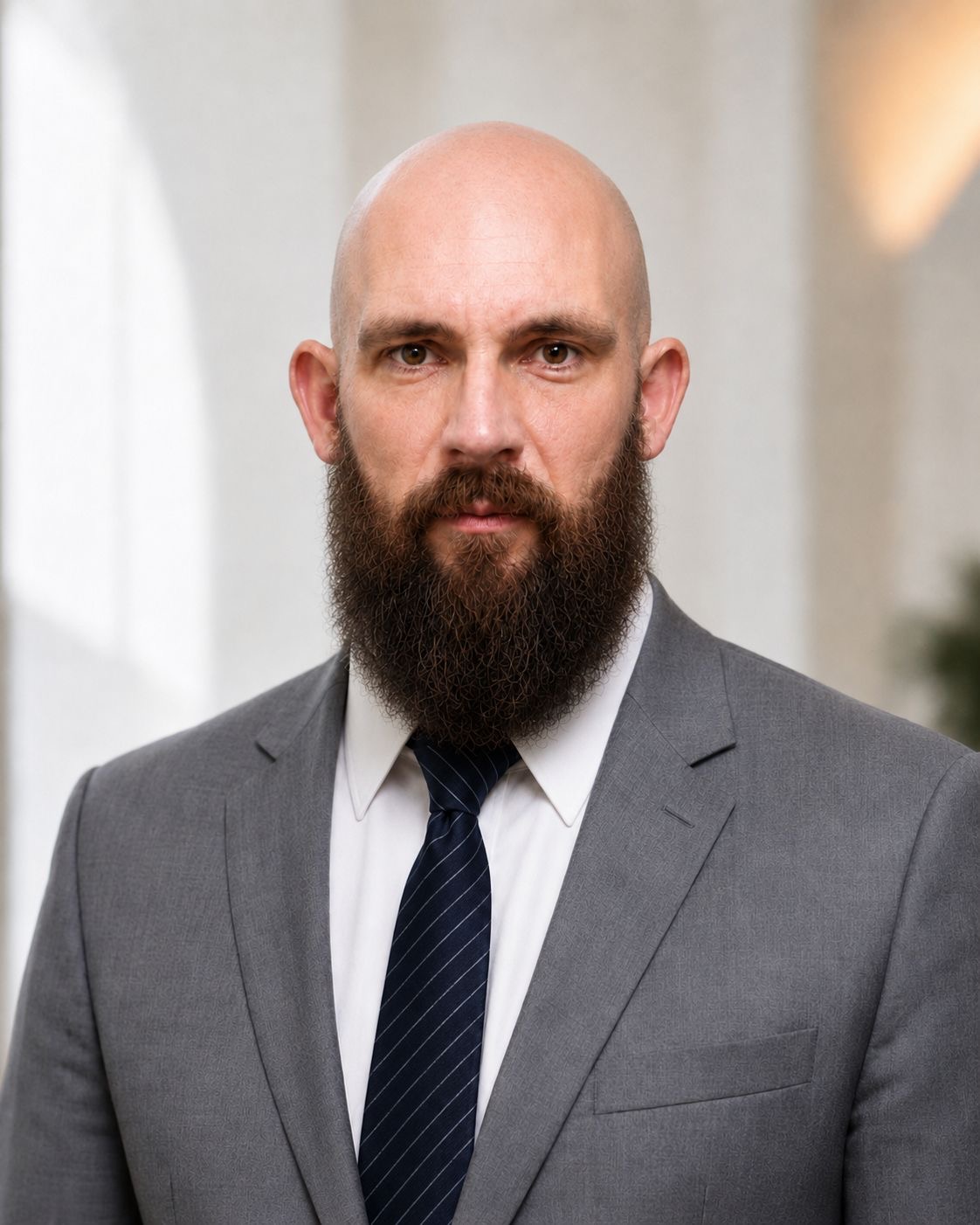
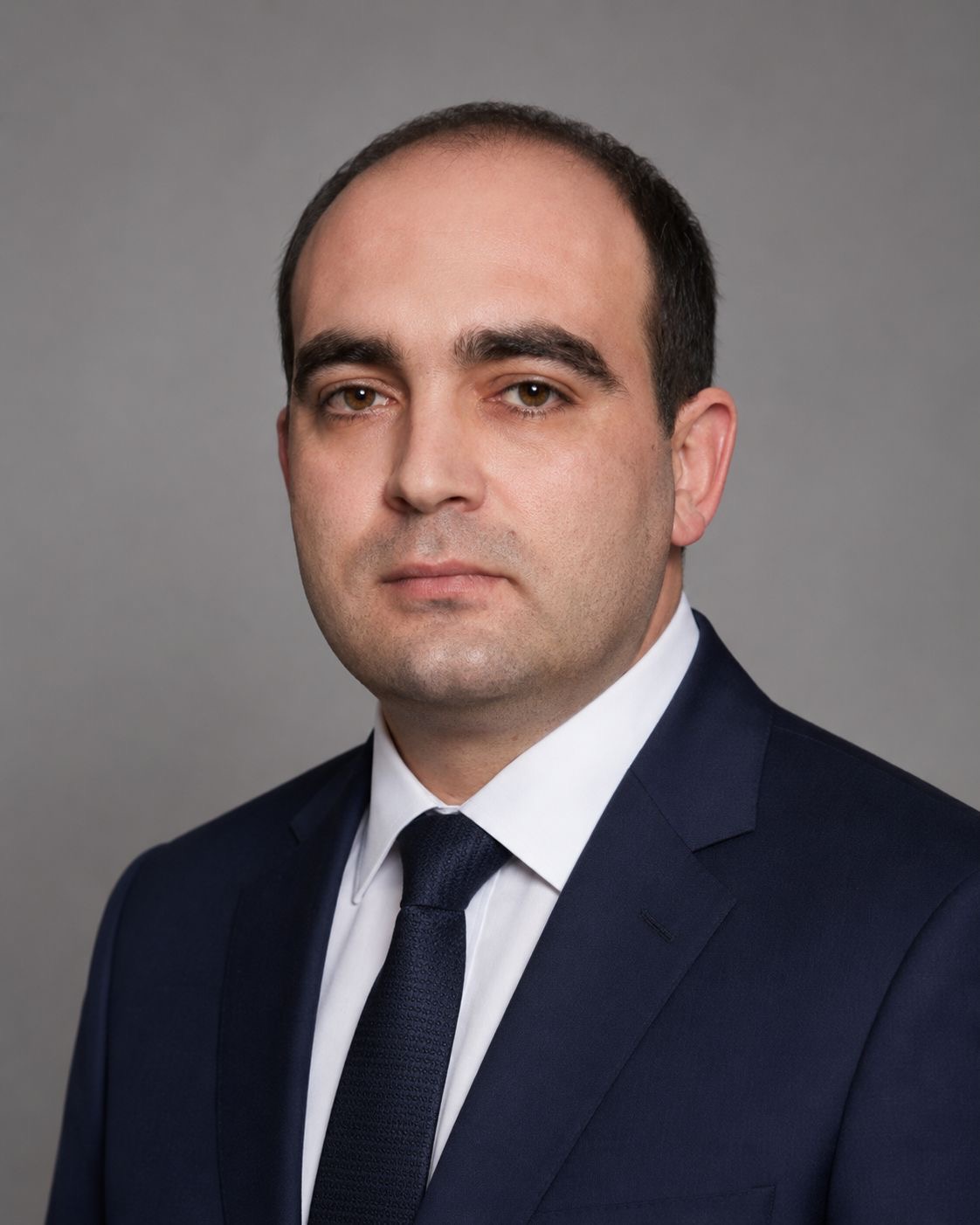
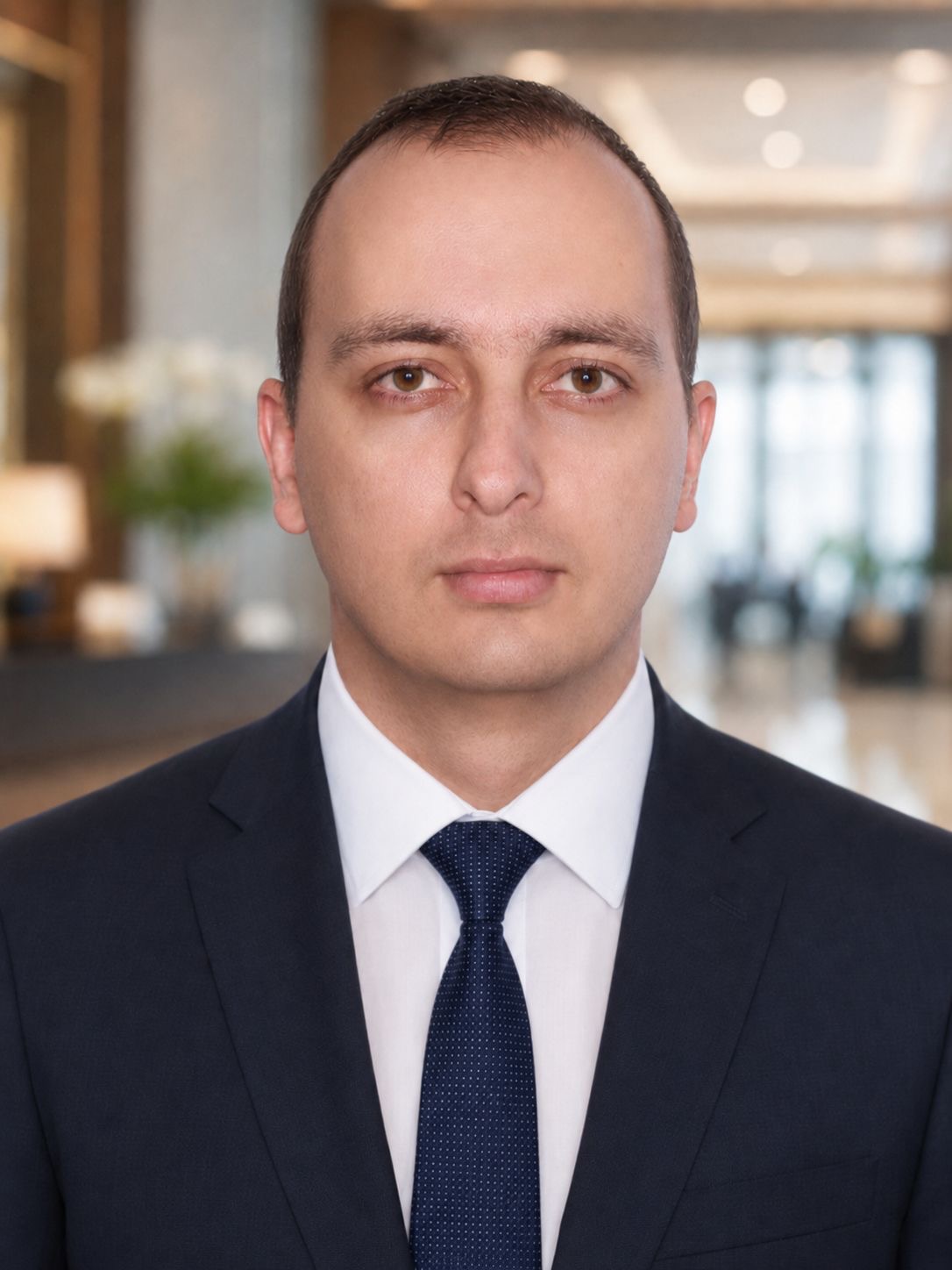
Dmitry Vladimirovich Dadiani Mingrelsky

Dmitry Vladimirovich Dadiani Mingrelsky

b. 1981

Prince, endurance and general physical training coach

Prince Dmitry Vladimirovich Dadiani, born in 1981, carries forward the ancient martial tradition of the House of Dadiani. Since 2007 he has devoted himself to the development of physical conditioning and endurance, serving as assistant head coach. His work is not merely sport, but the revival of the very school of warrior education for which his ancestors — princes who trained warriors and defenders of the homeland — were renowned.
The blood of heroes runs in Dmitry's veins: his grandfather, Prince Ivan Otievich, was a knight of many orders; his great-grandfather, General Otia Elizbarovich, was a hero of the Russo-Turkish War. Dmitry shares his father's mission as a human-rights advocate and continues the work of “DENPIS”, preserving and increasing the dynasty's heritage. He is a living link between the glorious past of Mingrelia and its future — proof that the ancient house still gives the world strong and noble people.

Watch Dmitry's training: https://youtu.be/bDAhgvr6R1U

Pavel Vladimirovich Dadiani

Pavel Vladimirovich Dadiani

1982–2019

Prince, human-rights advocate

Though his life ended early, Pavel Vladimirovich left a deep mark on the history of the dynasty. Born in 1982, from his youth he absorbed the ideals of justice and service by which his father, Prince Vladimir Mikhailovich, lived. He shared with his family the mission of the human-rights defender and the keeper of historical memory.

As a descendant of the hereditary nobility whose lineage is confirmed by the most ancient charters, Pavel carried within him the spirit of Colchis and Mingrelia. His untimely death in 2019 was a grievous loss for the house. Yet his memory endures in the work of the family, in the activity of the “Monarchical House of Dadiani”, and in the hearts of all who knew him as a man of honour and dignity.

Sergey Vladimirovich Dadiani

Sergey Vladimirovich Dadiani

b. 1992

Prince, naval officer, software developer

Sergey Vladimirovich, born in 1992, chose the element of the sea, worthy of his ancient house. Graduating in 2015 from the navigation faculty of the Kyiv State Academy of Water Transport, he earned the rank of navigator and became a marine officer. Today he serves as chief mate on ocean-going vessels of more than 90,000 tonnes displacement and has completed two circumnavigations of the globe — a voyage that in antiquity was open only to the legendary Argonauts who sought the Golden Fleece in the lands of his ancestors.

Yet Sergey's horizons are not limited to the sea. He is a practising specialist in website and application programming, uniting the heroic past of the dynasty with the technologies of the future. Son of Prince Vladimir, he continues his father's work, remaining a keeper of history while charting new paths in the digital world.

Victoria Vladimirovna Dadiani Sanders

Victoria Vladimirovna Dadiani Sanders

b. 1989

Princess, philologist, entrepreneur, philanthropist, guardian of culture

Princess Victoria, born in 1989, became a worthy representative of the dynasty in the humanities. In 2011 she graduated from the Faculty of Foreign Languages with a degree in philology and as a specialist in the English language. Her gift is a bridge between the ancient culture of Mingrelia and the modern world.

As a descendant of the hereditary nobility of the Byzantine Empire and the Georgian Kingdom, Victoria preserves the linguistic and cultural heritage of her house. She continues the work of her father, Prince Vladimir Mikhailovich, whose human-rights activity is known throughout the world. Her knowledge and talents serve to spread the truth about the history of the Dadiani dynasty, about ancient Colchis, and about the fact that the princely house not only fought and ruled, but also created culture, enlightenment and learning.

Mikhail Ivanovich Dadiani

Mikhail Ivanovich Dadiani

1906–1996

Prince, geologist, sportsman

Mikhail Ivanovich was the son of court counsellor Ivan Otievich and of Maria Mikhailovna Gersevanova, who belonged to a family of archpriests of the imperial court. Born in 1906, he witnessed the collapse of empires and the birth of a new world.

Graduating in 1933 from the military institute of the White emigration, Mikhail Ivanovich became a prospecting geologist and worked with survey expeditions across the USSR. But his true vocation lay in sport: he inherited the dynasty's traditions of training warriors and athletes for endurance. This determined his service as assistant for sports work to Marshal of the Soviet Union Vasily Blyukher himself — the legendary commander, holder of the Orders of the Red Banner and the Red Star. His life is an example of how a descendant of ancient princes, even in the hardest of times, remained faithful to duty and professionalism, uniting the greatness of his forebears with the realities of the twentieth century.

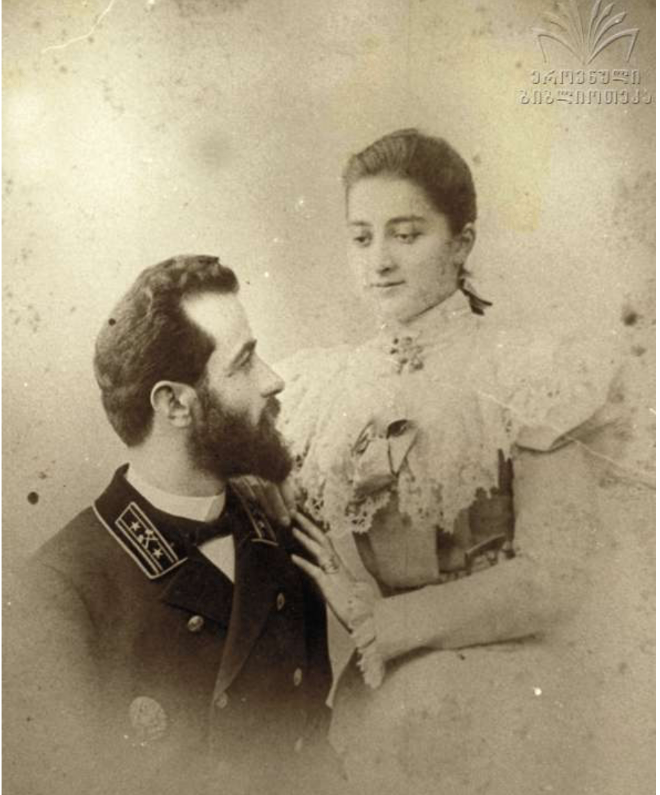
Ivan Otievich Dadiani

Ivan Otievich Dadiani

1871–1921

Prince, court counsellor, military official

Prince Ivan Otievich Dadiani was an outstanding statesman and military official of the Russian Empire. Born to General Otia Elizbarovich and Princess Daria Luarsabovna Chelokaeva, he received a brilliant education at the Emperor Alexander I Institute of Transport Engineering (1900). Rising to the rank of court counsellor (1912), he was honoured with the highest awards of the empire: the Orders of St. Anna (2nd and 3rd class), St. Stanislaus (2nd class) and St. Vladimir (4th class). From 1915 he served in the Special Operations Directorate of the South-Western Front armies, and in 1916 he was sent to Persia with the 1st Caucasian Cavalry Corps to counter pro-German forces (the Persian campaign).

His marriage to Maria Mikhailovna Gersevanova united two of the most ancient noble houses of Byzantium and Georgia. Her ancestor, Archpriest Grigory Gersevanov, keeper of the icon of the Mother of God with holy relics, had his hereditary nobility confirmed in 1027 by a charter of King Bagrat IV of Kartli.

Ivan Otievich and Maria Mikhailovna died a violent death in 1921.

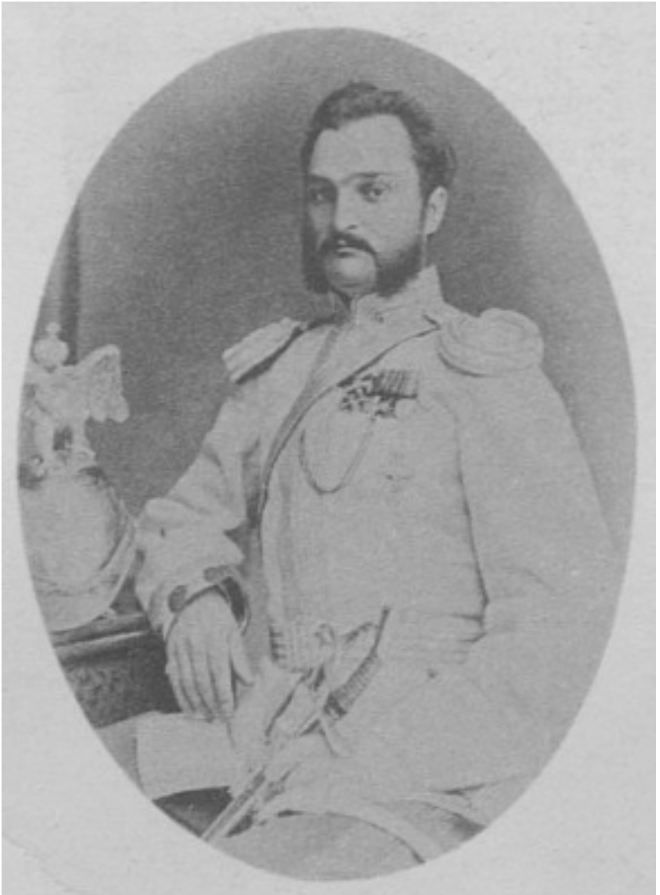
Otia Elizbarovich Dadiani

Otia Elizbarovich Dadiani

1838–1915

Prince, general, hero of the Russo-Turkish War

Prince Otia Elizbarovich was a legendary commander and a hero of the Crimean and Russo-Turkish wars. Born to Prince Elizbar Georgievich Dadiani, staff captain of the militia, he began his military career in 1855 as a cadet in the 11th Black Sea Line Battalion, famed for the battle on the Enguri River. For his courage he received the Badge of the Military Order of St. George, 4th class. In 1865 he was transferred to the elite Chevalier Guard Regiment — the guard of the Emperor himself.

In 1877, at the outbreak of the Russo-Turkish War, Otia Dadiani was appointed inspector of the mounted divisions and foot hundreds of the Zugdidi district militia. During the Turkish landing in Abkhazia, when the enemy seized Gudauta and Sukhumi, he showed extraordinary bravery in the struggle against the occupiers and the rebellious Abkhaz clans, for which he was awarded the Order of St. Anna, 2nd class with swords. Rising to the rank of colonel, he served as head of the Ozurgeti and Alexandropol districts. He died on 7 June 1915.

Holding 4,000 dessiatinas of land in the Senaki district and 7,780 dessiatinas through his wife (Princess Daria Luarsabovna Chelokaeva), he was the largest landowner and one of the most influential figures of his time.

Daria Luarsabovna Cholokashvili

Daria Luarsabovna Cholokashvili

consort of Otia Elizbarovich

Princess of the house of Cholokashvili

Princess Daria Luarsabovna Chelokaeva (Cholokashvili) — wife of Prince Otia Elizbarovich Dadiani from 1853 and mother of seven children of the house.

Kaikhosro (Kakutsa) Cholokashvili — a hero of Georgia — and Daria Luarsabovna Chelokaeva (Cholokashvili) are relatives. They descend from the same princely Cholokashvili family (also transcribed as Chelokaev in Russian).

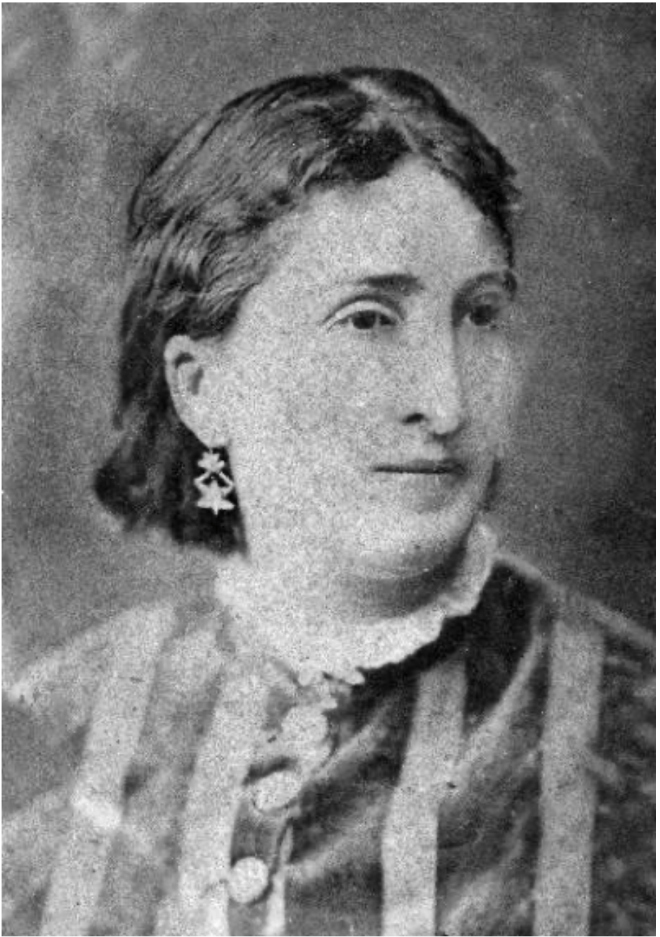
Elizbar Georgievich Dadiani

Elizbar Georgievich Dadiani

1801–1863

Prince, mdivabeg — judge of the supreme government of Mingrelia

Prince Elizbar Georgievich Dadiani was a judge of the supreme government of Mingrelia (mdivabeg). Son of Prince Georgy Nikolaevich, who held the office of high police master (bokoultukhutses), he continued the family tradition of state service.

During the Crimean War, Queen Ekaterina Alexandrovna Dadiani of Mingrelia (née Chavchavadze) entrusted the safety of her children to Elizbar. He sheltered them at his estate of Kvashikhori from the advancing Turkish army, showing loyalty to the throne and great courage.

Married to Princess Sophia Paatovna Tsulukidze, he became the father of nine children, among whom stood out the hero Otia Elizbarovich, as well as his son Alexander, who became Bishop Grigory.

Georgy Nikolaevich Dadiani

Georgy Nikolaevich Dadiani

early 19th century

Bokoultukhutses of Mingrelia (chief bailiff, high police master)

Prince Georgy Nikolaevich Dadiani was a prominent statesman of Mingrelia who held the office of bokoultukhutses (chief bailiff, high police master). He was responsible for law, order and security in the principality, standing guard over its laws and traditions. His wife was Princess Mariam Abashidze, a union that further strengthened the alliance of the great houses of the Caucasus.

Nikolai Otievich Dadiani

Nikolai Otievich Dadiani

d. 1757

Ruling prince (mtavari) of Mingrelia from 1728

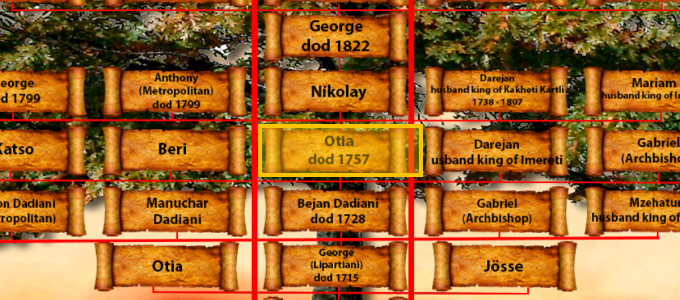
Prince Nikolai Otievich was a direct ruler of Mingrelia and the son of Prince Otia Bezhanovich. The blood of the ruling mtavaris flowed in his veins, and his reign fell in an era of intense rivalry and political struggle for the thrones of the Caucasus. His marriage to Anastasia Eristavi of Ksani sealed the alliance of two of the strongest houses.

Otia Bezhanovich Dadiani

Otia Bezhanovich Dadiani

d. 1757

Ruling prince (mtavari) of Mingrelia from 1728

Otia Bezhanovich was the son of the ruling prince Bezhan Dadiani and Princess Tamara Gelovani. Ascending the throne in 1728, he continued his father's policy. His wife was Princess Gulkan, daughter of Shoshita III, Eristavi of Racha.

From this marriage were born Katsia II (the next ruling prince), Nikolai, Georgy and the Bishop of Tsageri. His daughter Mariam became the wife of King Solomon I of Imereti — testimony to the high international standing of the House of Dadiani.
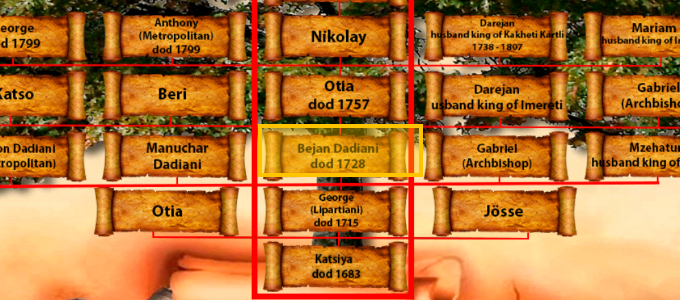
Bezhan Georgievich Dadiani

Bezhan Georgievich Dadiani

d. 1728

Ruling prince (mtavari) of Mingrelia

Bezhan Georgievich was a ruler of Mingrelia, son of Georgy IV and Princess Sevdia Mikeladze. Having received the province of Lechkhumi from his father, he became a key figure in the political games of the Caucasus, supporting candidates for the throne of Imereti.

Married to Princess Tamara Gelovani, he became the father of Otia, who later inherited the throne.

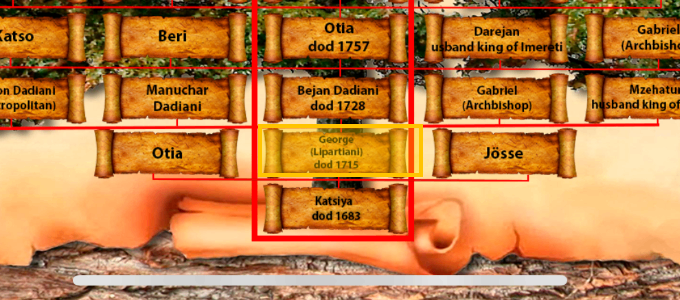
George Katsievich Lipartiani

George Katsievich Lipartiani

George IV, ruler of Mingrelia

Prince of Salipartiano and Lechkhumi, ruler of Mingrelia

Georgy Katsievich, descended from the Chikovani (Lipartiani) house, inherited Salipartiano and Lechkhumi after the death of his father Katsia Chikovani. His right to the throne rested on his father's marriage to Princess Mzekhatun Dadiani.
He consolidated power and continued the dynastic line, becoming the progenitor of the branch that led to Bezhan and onward to the great princes of the 19th century.

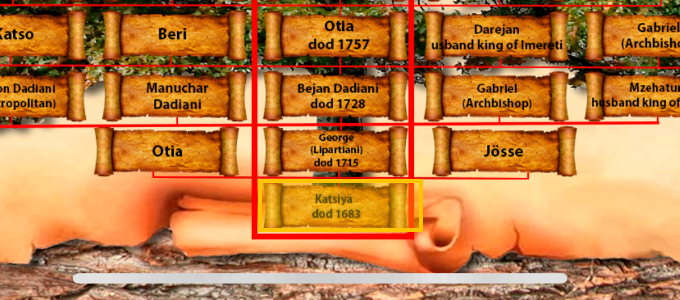
Katsia Chikovani

Katsia Chikovani

d. 1682

Prince of Lechkhumi, Salipartiano and Sainasaridzo

Katsia Chikovani was the ancestor of the house in the male line, Prince of Lechkhum-batoni. According to tradition he was a man of courage and enterprise who earned the respect of kings.

His marriage to Mzekhatun Dadiani, daughter of Levan III, ruling prince of Mingrelia, brought his descendants the rights to the Mingrelian throne and opened a new historical era of the Dadiani dynasty's rule.

All the figures presented here, from the ancient Katsia Chikovani to the present generation of princes, are bearers of a unique historical memory. The House of Dadiani is not merely an aristocratic surname but a living testimony to the antiquity and greatness of the Caucasus, inseparably bound to the legend of the Golden Fleece, the reign of Queen Tamar and the centuries-old statehood of Mingrelia.

About the House

The Monarchical House

Coat of arms of the House of Dadiani on the flag

In memory of the Royal Dynasty of the Princes of Mingrelia DADIANI. Addressed by the head of the House of the Royal Dynasty of the Princes DADIANI — Prince Vladimir Dadiani-Mingrelsky.

The history of my state of Absolute Monarchy is rooted in the ancient state of Colchis — the land of the "Golden Fleece", inhabited by the Colchians.

The existence of Colchis is mentioned in the writings of the Assyrian kings.

The state of Colchis is among the three most ancient civilisations of the planet, yielding place only to Greece and Egypt.

The Monarchical House of Dadiani, sovereign princes of "Samegrelo", reigned in Abkhazia and Svaneti.

"Samegrelo" is one of the most ancient states of the planet, following the tradition that this mountainous country is the successor of "Colchis".

It is academically confirmed that the Mingrelian settlement "Nokalakevi" — the city of the Golden Fleece — is a heritage of the planet. This is the ancient "Ea", known in Rome as "Archaeopolis", the capital of the Colchians, the city visited by the Argonauts.

In commemoration of this continuity, the coat of arms of the House of DADIANI depicts the Dragon guarding the "Golden Fleece" hanging on a tree.

In 1867 the Principality of Mingrelia was abolished (annexed) after 500 years of sovereignty recognised by countries of the whole world, against the will of the last Sovereign Prince and the Government, in violation of many previously concluded treaties.

The Principality of Mingrelia was incorporated into the Kutaisi Governorate of the Russian Empire.

Subsequently the successors of the Russian Empire — Bolshevik Russia — proclaiming the Red Terror, executed Emperor Nicholas II, his wife, children and servants. They executed and tortured in their dungeons the Princes of Mingrelia DADIANI for their belonging to the Royal family, taking away their homes, land and property, destroying documents and the memory of the existing Principality of Mingrelia, successor of the kingdom of Colchis, of the people and nation of Colchians — Mingrelians.

Mission

Human Rights Activities of the Monarchical House

Dadiani royal crest

The "Monarchical House of the Royal Dynasty of the Princes Dadiani", together with the UN, is concerned about the state of road traffic safety in the countries of the world and the existence of an "undeclared war on the roads".

I am a jurist specialising in the protection of law and legal relations. As a human rights defender I have developed works on improving law and order, justice in judicial and investigative proceedings, road safety, the reduction of road traffic accidents (RTA) and fatalities, and ensuring justice in the examination of accidents.

I know from what, why and how accidents happen, and what the rulers of countries must do to reduce them.

Within the framework of the UN resolution I have written the books "The Driver's ABC, or How to Remain Innocent in a Road Accident" and "Presumption of Innocence, or How to Examine the Scene of an Accident" — an appendix to the traffic rules and to the "Euro-protocol" — which have been bestsellers for many years for drivers, police, investigators, prosecutors, lawyers, experts and judges.

An educational, legal and scientific television programme with the same name, "Presumption of Innocence", has been created.

The International internet centre "DENPIS" has been established, forming a multi-million International Defence of Drivers of All Countries of the World. Its independent non-governmental legal expertise allows proceedings, investigation, prosecution and trial to be conducted with a faultless decision or verdict, not allowing the innocent to be convicted, saving the court from an erroneous sentence, establishing justice and ordering the methodology of examining guilt in road accidents in all countries of the world.

DENPIS is publicly accessible to drivers and their insurance companies, which receive from it a certificate — an insurance of innocence in a road accident. A method has been developed for conducting legal expert examinations of facts and events in order to eliminate errors and shortcomings.

DRIVERS OF ALL COUNTRIES TURN TO ME IN SEARCH OF TRUTH AND JUSTICE IN MATTERS OF ROAD ACCIDENTS.

AS A JURIST AND HUMAN RIGHTS DEFENDER OF INTERNATIONAL CLASS, I ACT THROUGH THE UN AS THE INITIATOR OF THE CONTINUATION OF WORK ON ORGANISING ROAD TRAFFIC SAFETY AND REDUCING ACCIDENTS AND FATALITIES ON THE ROADS, PROPOSING TO THE UN AND THE RULERS OF ALL COUNTRIES OF THE PLANET TO EXTEND THE PROJECT FOR ANOTHER FIVE YEARS.

Any country of the planet has every opportunity to appear on the world stage as a model — a benchmark for all countries in carrying out the actions planned by the UN for the decade. Only in a country with spirituality, order and high discipline can this be achieved.

The UN Secretary-General concludes that: "This crisis requires ambitious vision, increased investment and higher quality of cooperation, and the holding of a World Ministerial Conference on Road Safety as a major opportunity to shape plans, actions and stimulate practical steps."

To affirm faith in fundamental human rights, in the value of human life; to create conditions under which observance of the traffic rules, justice and respect for the laws arising from the traffic rules and other sources of international law can be maintained, and to promote social progress and better conditions of road traffic.

"THE MONARCHICAL HOUSE OF THE ROYAL DYNASTY OF THE PRINCES DADIANI" WILL BRING TO LIFE THE EXISTING DEVELOPMENTS ON THE ORGANISATION OF ROAD TRAFFIC, IN THE MATTER OF REDUCING ACCIDENTS AND ENDING THE UNDECLARED WAR ON THE ROADS IN ANY COUNTRY OF THE WORLD WISHING THIS — TO BECOME A MODEL COUNTRY IN THE ORGANISATION OF EXEMPLARY, BENCHMARK SAFE ROAD TRAFFIC, PROCEEDINGS AND THE REDUCTION OF ROAD ACCIDENTS.

V. M. Dadiani

Contacts

Call by phone: Viber +38 (067) 708-94-00

Site: denpis.online

Send a letter by e-mail: dadianimegrelian@gmail.com

Charity

Charitable Foundation

The Royal House of Dadiani supports humanitarian, educational and cultural initiatives that honour the legacy of the dynasty and serve the people of Georgia and the wider world.

Humanitarian Aid

Assistance to families, veterans and communities in need.

Education

Scholarships and programmes for the next generation of leaders.

Heritage

Preservation of the historical, cultural and spiritual heritage of the Dadiani dynasty.

Sports

Support for youth and amateur athletes in Olympic and traditional Georgian disciplines.

Every contribution continues the centuries-old tradition of service and protection embodied by the House of Dadiani.
Megrelia

Sights of Megrelia

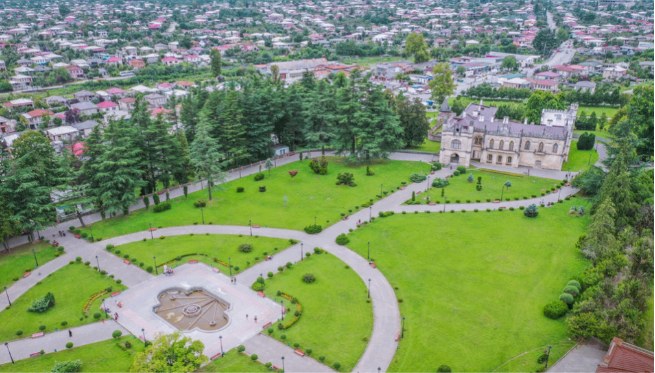
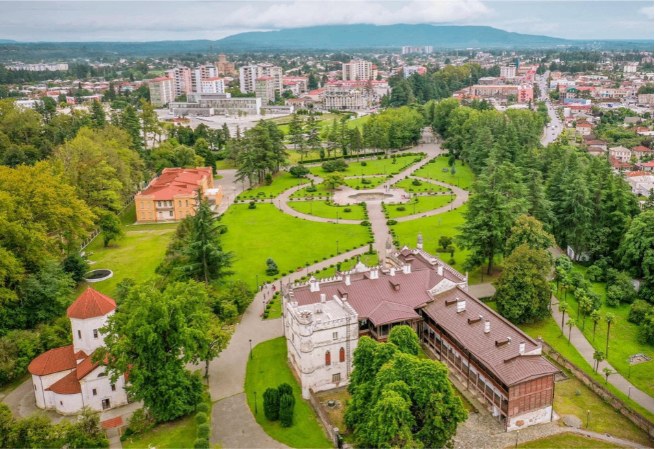
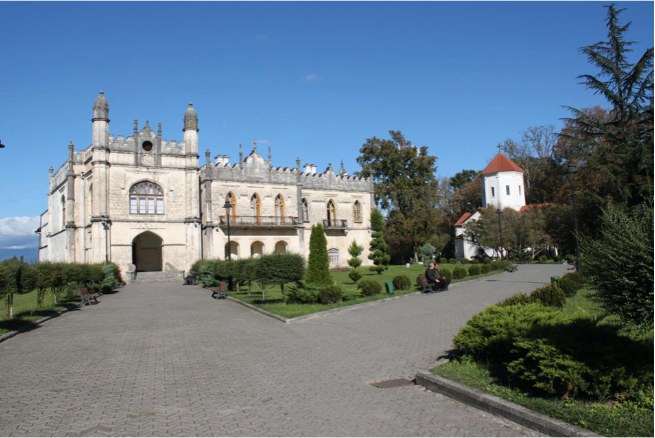
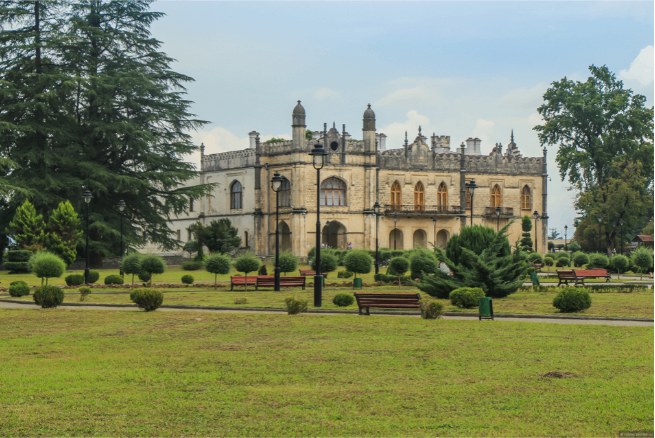
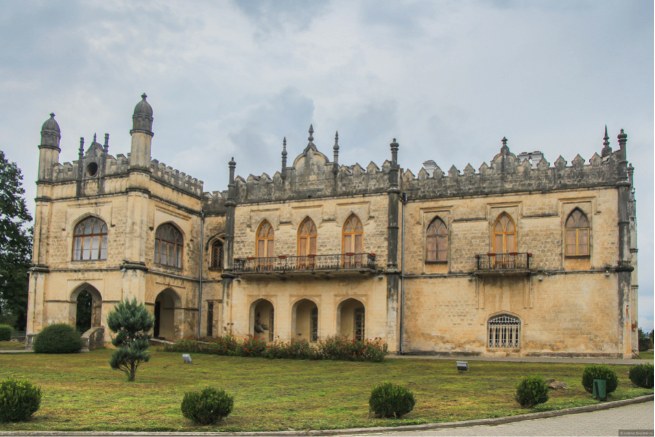
The Palace of the Dadiani Princes

The elegant ancestral palace of the Mingrelian princes Dadiani is a true adornment of the city, testifying to its former importance.

The Dadiani family is an ancient aristocratic house, known for its kinship with Napoleon Bonaparte himself: one of the Dadiani princesses was married to Napoleon's nephew Achille Murat. For this reason many relics connected with Napoleon passed to the Dadiani princes by inheritance — several personal belongings and pieces of the emperor's furniture, and one of his three death masks (the other two are in France and England). All this was formerly kept in the family museum of the Dadiani Palace.

There is an even more significant relic here — the shroud of the Virgin Mary. According to tradition, the ancestors of the Dadiani princes brought the shroud from Byzantium to Western Georgia in the 15th century. It can be seen only on great church feasts.

The estate of the Dadiani princes is also famous for its garden: in the middle of the 19th century the ruler of Mingrelia, Princess Dadiani (née Chavchavadze, sister of Nino Chavchavadze, the widow of Alexander Griboyedov), invited renowned European gardeners and ordered rare plant varieties from Europe. Today the Dadiani garden is the Zugdidi Botanical Garden, covering 26.4 hectares; some of its trees are about 200 years old and are unique specimens on the Eurasian continent.

The palace belonged to the sovereign princes of Mingrelia David Dadiani and Ekaterine Chavchavadze. Besides the main building, the museum complex includes the palace church and the Dadiani botanical garden. The museum in the palace was opened by the prince himself, who displayed archaeological finds from Nokalakevi, European and Georgian weapons and a unique collection of works of art.

Today the Zugdidi historical and ethnographic museum keeps about 44,475 exhibits dating from different epochs, from the 19th century BC to the 1st century AD. Among them a special place is held by church ornaments and works of art, relics of the royal and imperial houses of Europe, and the famous Dadiani library, which holds one of the first editions of "The Knight in the Panther's Skin" and the most ancient "Moktsevai Kartlisai" (the Kartlian chronicle). Among the other treasures is the death mask of Napoleon Bonaparte — only two more such masks exist, both in France.

It came here largely thanks to the marriage of Murat's descendant Achille to Salome of the Dadiani family. The main place among all the exhibits, however, belongs to the tunic of the Mother of God, brought here from Constantinople after its fall in 1453. It was kept first in the Bedia Temple, then in the church of Khobi, and in 1533 it was transferred to the palace by order of Prince Levan Dadiani. Relics of many saints are also kept here: the elbow of St. Marina, the hand of St. Kvirike, part of the femur of St. George and part of a bone of St. John the Forerunner.
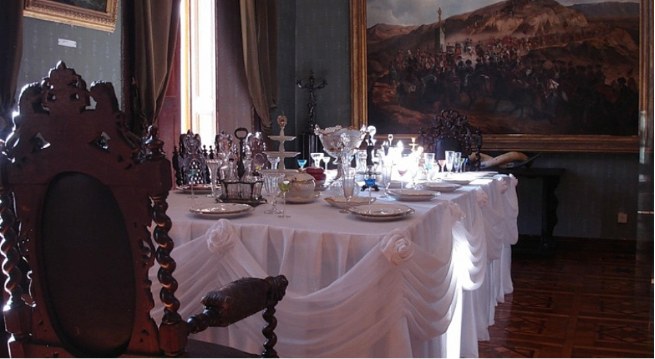
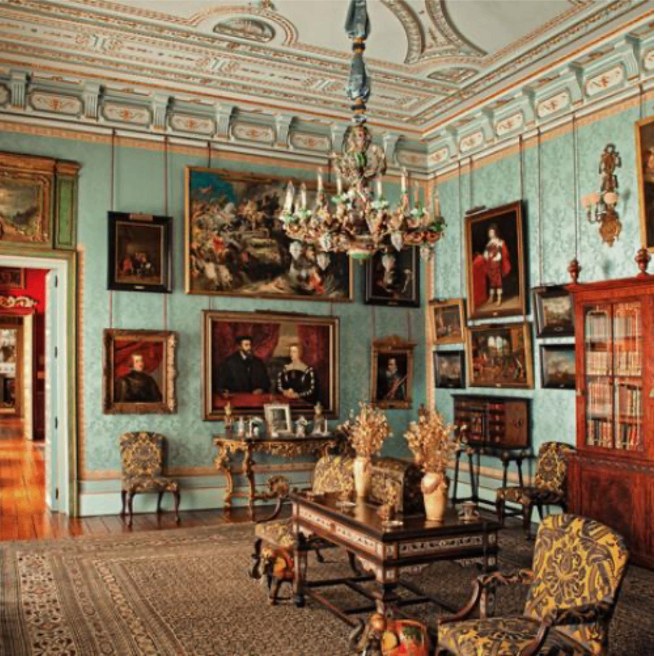
Palace of the Dadiani princes
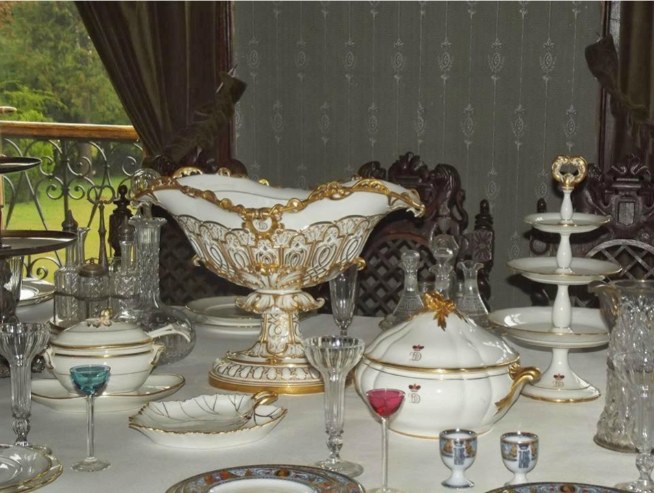
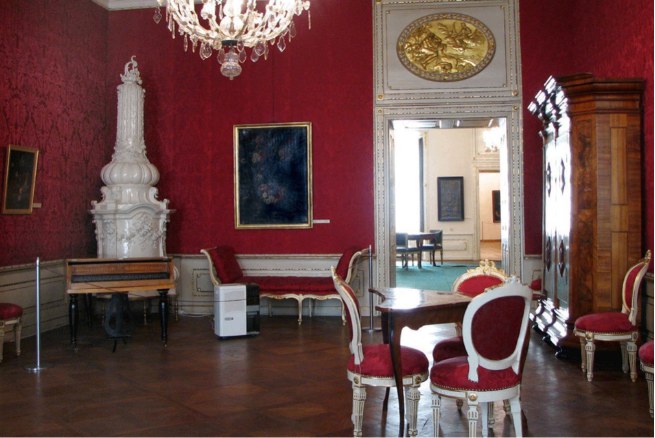
Inside the palace of the Dadiani princes

Zugdidi

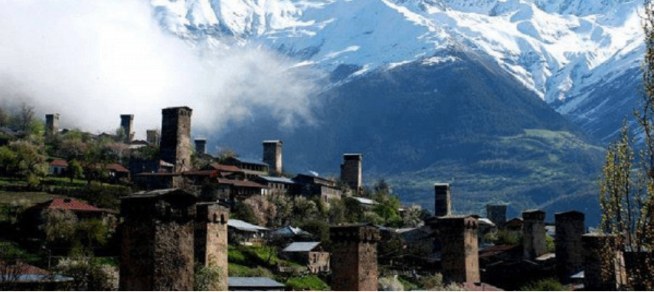
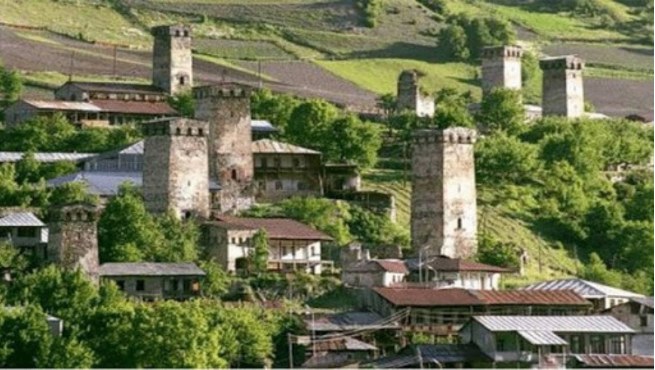
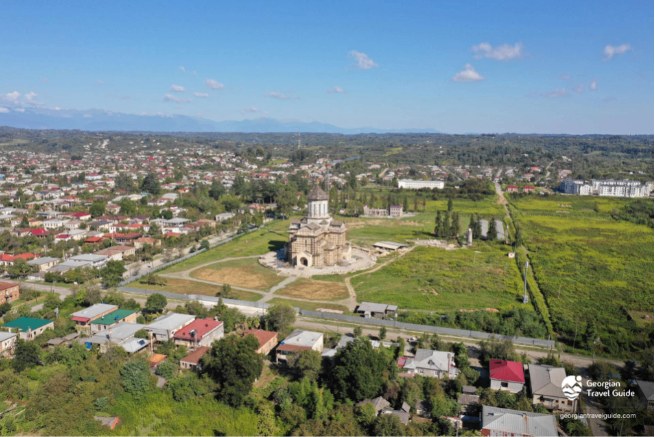
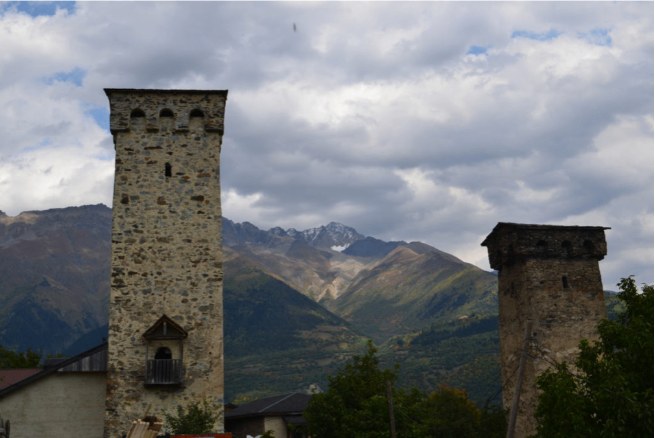
Zugdidi, the capital of Megrelia, lies between the Black Sea and the snow-capped ridges of the Caucasus — a city of gardens, towers and mountain views, and the seat of the princely residence.

Zugdidi
Zugdidi
Zugdidi
Zugdidi
Zugdidi
Zugdidi
Zugdidi
Zugdidi
Zugdidi
Zugdidi

The Martvili Monastery

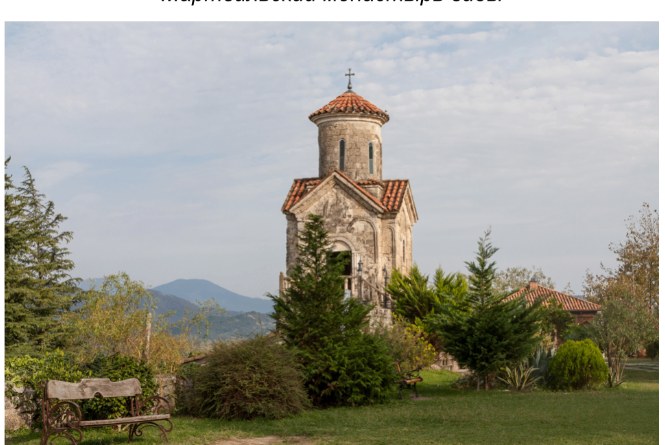
In antiquity Martvili was called Chkondidi. In the 7th century a monastery of the holy martyrs was built here. In the 10th century the Chkondidi bishopric was created. The monastery church is dedicated to the Mother of God. In the Middle Ages a well-known centre of enlightenment was located here.
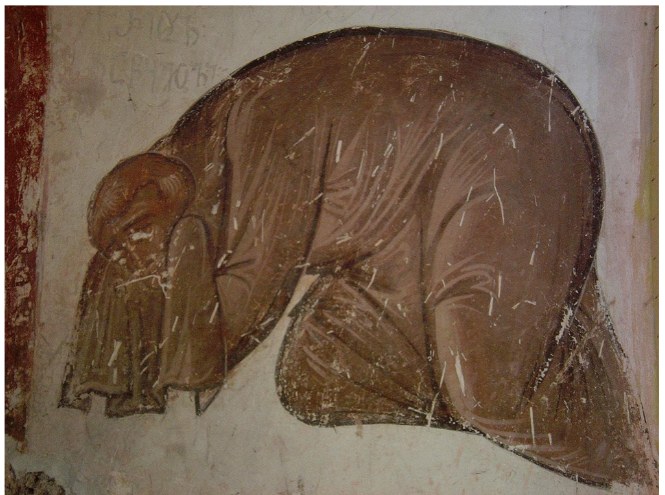
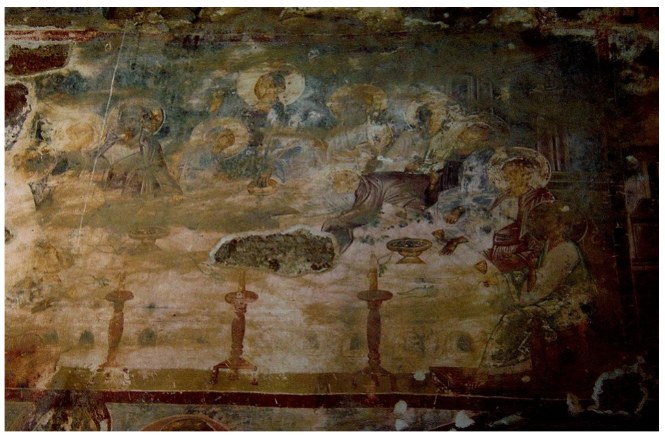
Many famous scholars, writers and copyists worked in the church, and it had a rich library. The central domed church is crowned with a cross and adorned with tiles and carving, whose figures and floral ornament create a single picture of scenes from the Old and New Testaments. Frescoes of the 14th–17th centuries have survived in the church to this day. Next to the main building stands a two-storey church of the 10th century.

The monks and abbots of Chkondidi enjoyed particular honour in Georgia, and for a long time it was the abbot of the Chkondidi monastery who was appointed to the office of Mtsignobartukhutsesi (chief counsellor) and bore the title "Chkondideli — Mtsignobartukhutsesi and first vizier of the king", often carrying out the most important royal missions. Examples are the appointment of Svimon Chkondidel-Bedieli-Alaverdeli as governor of Ani by King David the Builder, and the embassy to the camp of Batu entrusted to Arsen Chkondideli by Princess Rusudan.

The monastery in Samegrelo had a famous scriptorium — the workplace of monk-copyists, where books were translated and original works created. Here worked Giorgi Chkondideli — Mtsignobartukhutsesi, tutor and closest associate of King David IV. Anton Gnolistavisdze, an outstanding figure of the age of Queen Tamar, was also of Chkondidi.

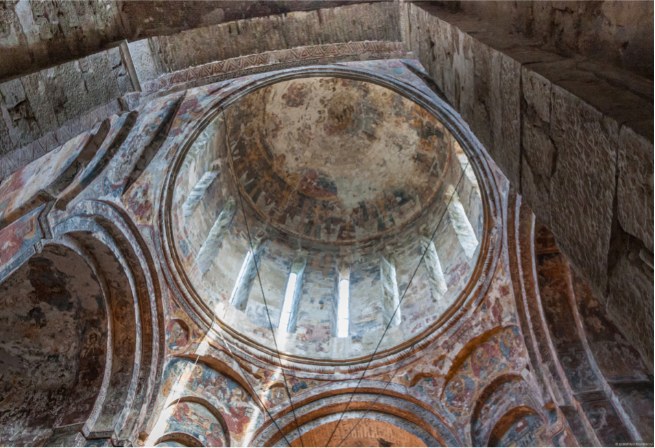
The Martvili Monastery
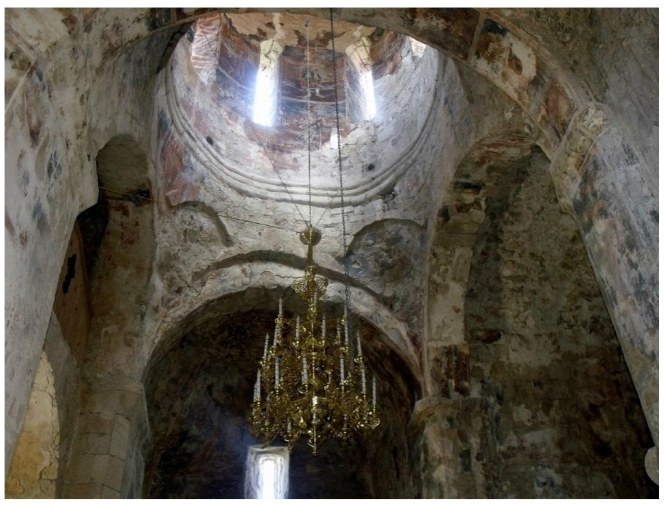
Martvili Monastery, interior

Tsalenjikha Cathedral of the Saviour

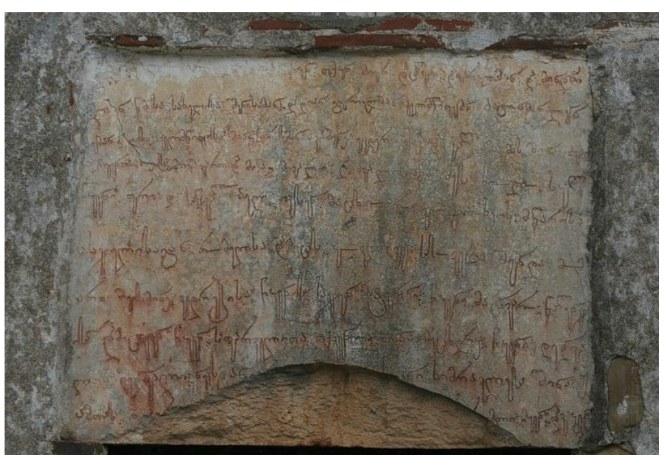
Tsalenjikha Cathedral stands on a hill at the edge of the town. According to surviving Georgian and Greek inscriptions, its interior was painted by the Constantinopolitan artist Cyrus Manuel Eugenikos at the command of Prince Vameq Dadiani (1384–1396).

The eastern part of the cathedral contains the resting places of Levan Dadiani and his wife Nestan-Darejan. The church preserves remarkable medieval frescoes and inscriptions, making it one of Samegrelo’s most important monuments of sacred art.

Tsalenjikha Cathedral of the Saviour

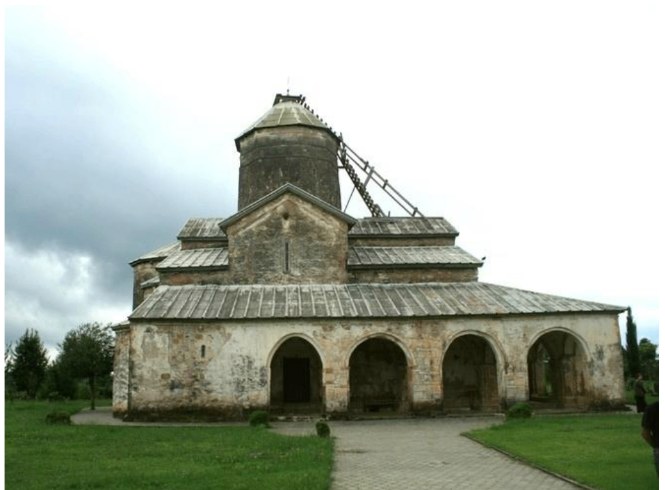
Tsaishi Cathedral

The Cathedral of the Dormition at Tsaishi is among Georgia’s oldest episcopal churches. A bishop’s seat existed here by the 6th–7th centuries, and the Tsaishi eparchy is recorded in lists dating to 602–610.

The present domed church was built between the 13th and 14th centuries on the site of an earlier basilica. Bishop Malachia Gurieli restored it after the earthquake of 1614, while Bishop Grigol Chikovani regained church lands, built the enclosure and bell tower, and strengthened its role as a centre of education.

The monastery was closed and abandoned after the Bolshevik arrival, then restored in 1989 with the blessing of Catholicos-Patriarch Ilia II of Georgia.

Tsaishi Cathedral
Tsaishi Cathedral
Tsaishi Cathedral
Tsaishi Cathedral

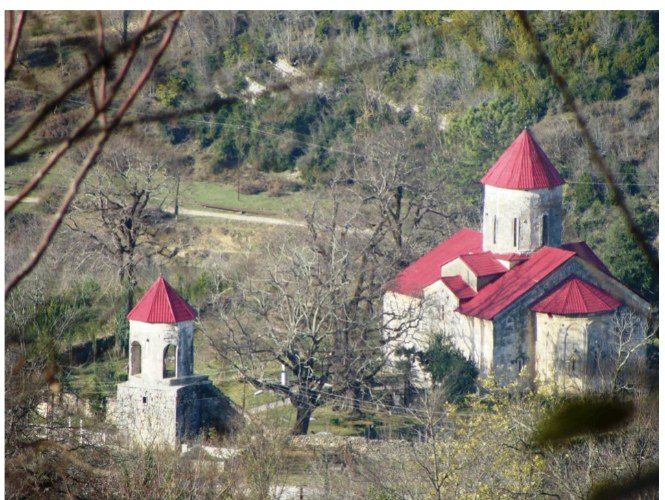
Khobi Monastery

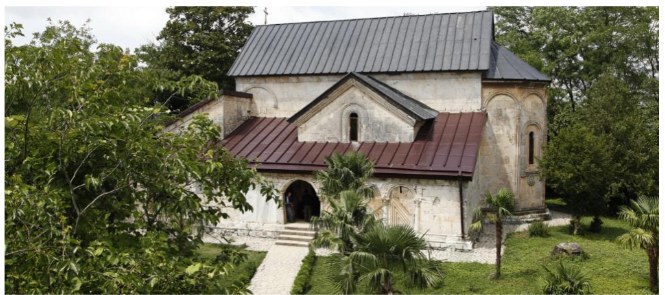
Khobi Monastery stands on the left bank of the Khobi River, three kilometres from the modern town, in the village of Nojikhevi. Its architectural complex includes the church, bell tower, enclosure and auxiliary buildings.

Dating mainly from the 13th–14th centuries, it is decorated with frescoes and stone carving. Tradition records that some of Samegrelo’s greatest relics were kept here, including the tunic of the Mother of God, the cross of King David and icons and relics of saints.

Khobi Monastery
Khobi Monastery

Poti Cathedral

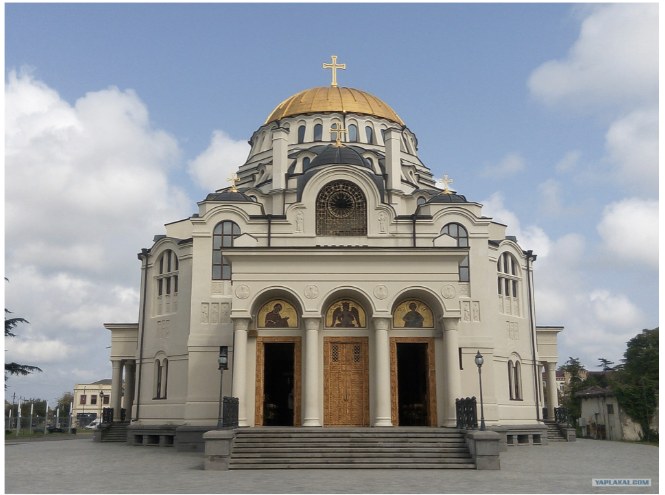
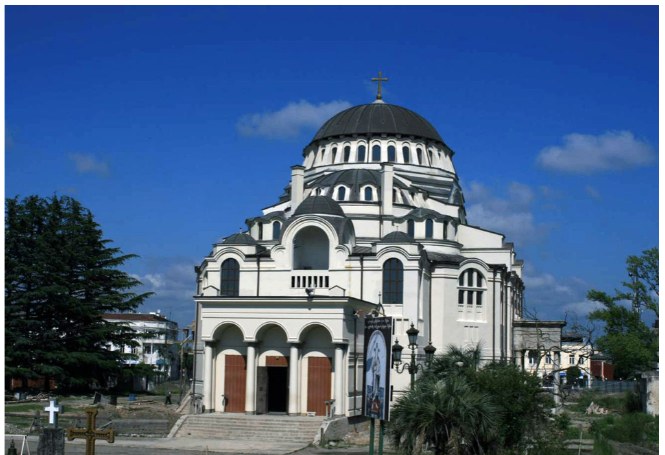
Poti Cathedral is a distinctive Byzantine Revival church. Its construction was commissioned in 1895, and the foundation was consecrated in 1906 by Bishop Guria-Mingrelian Giorgi Aladashvili. The cross was raised over the dome on 22 May 1907.

The cathedral was conceived as a reduced copy of Hagia Sophia in Constantinople, accommodating about 2,000 worshippers. Its frescoes combine Byzantine, Georgian-Byzantine and Russo-Byzantine traditions. In 1932 the church was converted into a theatre; in 2005 it was returned to the Georgian Orthodox Church, and restoration followed.

Poti Cathedral
Poti Cathedral
Poti Cathedral
Poti Cathedral

Nokalakevi — the Fortress City

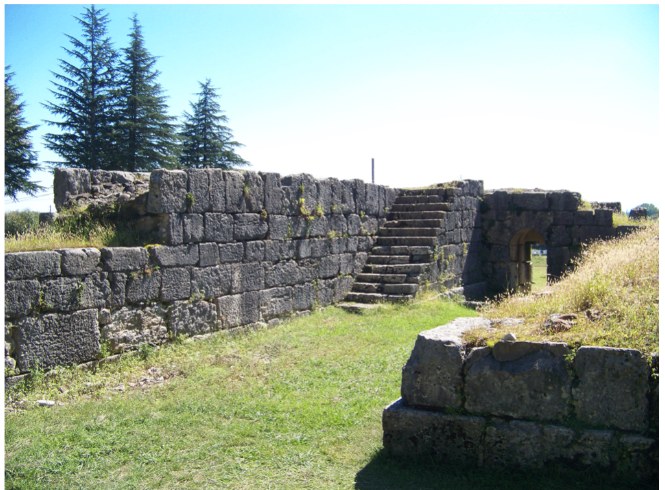
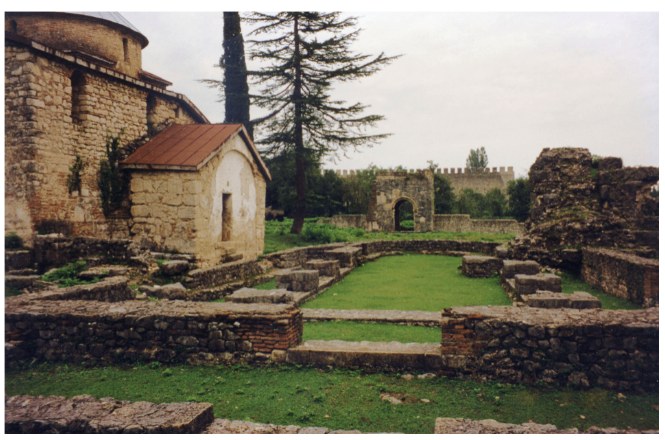
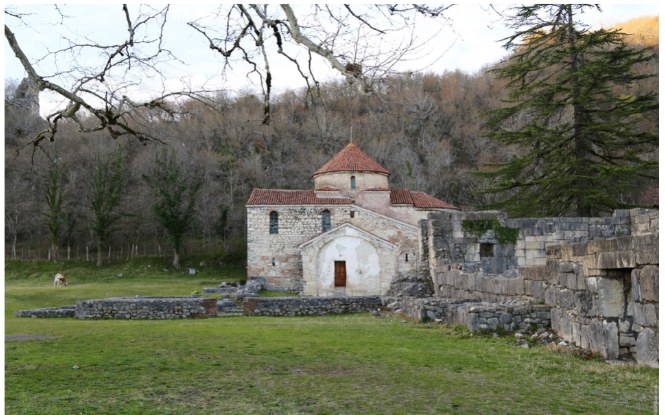
Nokalakevi, known in historical sources as Tsikhegoji and Archaeopolis, is one of Georgia’s oldest and most important archaeological and architectural monuments. Finds from its earliest layers date to the 8th–7th centuries BC, while gold, silver, bronze and glass ornaments and imported and local ceramics illuminate its ancient life.

Its strategic architecture made the city nearly impregnable: three defensive walls, towers, gates, secret passages, a route to a spring cave and a water channel protected the settlement. Georgian chronicles record its destruction during an Arab invasion in the 8th century.

From the 15th to the 18th centuries Nokalakevi again gained political importance as a residence of the Dadiani princes.

Nokalakevi — the Fortress City

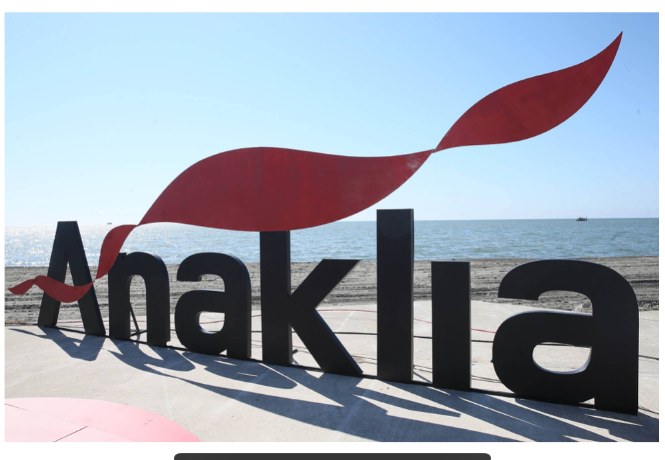
Anaklia

Anaklia is a Black Sea resort settlement near the administrative boundary of Abkhazia, at the mouth of the Enguri River. It received official resort-town status in 2012.

The town contains the ruins of a fortress built in 1703. Today Anaklia is one of the region’s developing seaside destinations, known for its magnetic sands, spacious coast and modern hotels.

Anaklia
Anaklia

Lake Tobavarchkhili

This lake makes a magnificent and unforgettable impression on anyone who sees it. Tobavarchkhili (the Silver Lake) lies in the village of Mukhuri, at an altitude of 2,650 metres above sea level.

A legend says that if you bathe in the waters of the lake, or lower any object into it, rain will inevitably follow. Tradition also holds that a bullet fired from one shore will never reach the opposite one, although the lake is not large.

Lake Tobavarchkhili
Lake Tobavarchkhili
Lake Tobavarchkhili
Lake Tobavarchkhili
Lake Tobavarchkhili
Lake Tobavarchkhili
Lake Tobavarchkhili
Lake Tobavarchkhili

The Canyon and Waterfalls of the Abasha River

The Gachedili canyon lies between the villages of Gachedili and Inchkhuri, where the Abasha River cuts through a hill and forms a canyon 2,400 metres long and 20–40 metres deep. In several places the canyon has ledges, one of which forms the 12-metre Martvili waterfall. It is possible to travel far into the canyon by boat.

At a distance of 3.5 km from the Gachedili canyon, in the village of Pirveli Balda, lies the Motena cave. The village can be reached by car, and a footpath of 0.5 km leads to the cave on the Tabakela ridge.

The Motena cave lies at 570 m above sea level and was formed in Eocene layers of limestone. It is horizontal and ascending; its front part has collapsed and appears as an open gorge. The cave consists of two large halls joined by a narrow cleft: the first hall is 30 m long and 24–25 m high, and the total length of the cave is 75 m. Among the chemical deposits are stalactites and stalagmites, travertine cascades and so-called curtains. A river flows through it, bats nest here, and a historic structure inside was used as a fortress in the Middle Ages.

The Canyon and Waterfalls of the Abasha River

The Toba Waterfall and the Caves

After the visit, travellers return to the village of Pirveli Balda and continue by car to the canyon on the edge of the village, viewed from the bridge thrown across it. A footpath then leads to the Toba waterfall, with a resting place 5 km away in the Jvarishi locality, where there is drinking water, dry wood for a fire and room for a tent camp.

The cave of Arsena Okrojanashvili lies at 750 m above sea level and was formed in the upper layers of limestone. Its entrance is 25 m high and 11 m wide; inside, a meander 550 m long ends in a siphon lake of 150 square metres. The total length of the cave is 1,150 m. The air temperature is 14.4 degrees; an underground spring with a flow of 0.276 cubic metres per second runs through it, and a cascading waterfall 234 m high flows out of the cave.

The Oniore waterfall lies 2 km to the north-west and flows out of the Toba II cave. That cave, also at 750 m, has three branches and three halls, with a total length of 235 m. A powerful stream flows from it, forming the Oniore waterfall of 80–85 m on the surface.

The Abasha waterfall lies at 760 m above sea level and rises at the left tributary of the upper Abasha. It flows out of a cave onto a limestone cliff and falls from a height of 30 m, creating a basin 12 m in diameter at its foot. To the right of the main fall are two smaller ones, and above them a limestone cliff 200 m high.

The Jorcku cave is a two-storey cave closed on one side, beginning with a large entrance hall. Deposits, mainly stalactites, occur along its whole length, and the air temperature is 16 degrees. The cave was a Palaeolithic human dwelling: remains of cave bear, lynx, bison and other animals have been found here.

The Toba Waterfall and the Caves

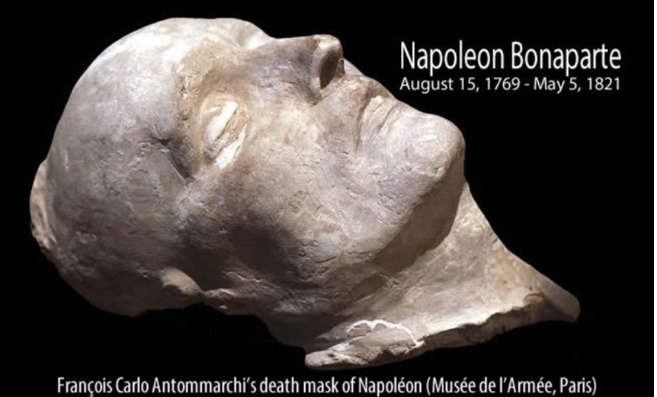
The Death Mask of Napoleon Bonaparte

Before the invention of photography it was common practice to take plaster or wax casts of the faces of famous people after their death. Napoleon died on 5 May 1821, imprisoned on the island of Saint Helena at the age of 51.

The original death mask was made on 7 May 1821. There is controversy over who took the first cast: some hold it was Napoleon's personal physician François Carlo Antommarchi, others that it was the military surgeon Francis Burton. More than one cast was probably made, since four original casts are said to exist today; numerous bronze and marble copies appeared on the market as soon as the originals reached Paris.

Another account holds that Madame Bertrand, Napoleon's assistant on Saint Helena, took part of the original cast, leaving Burton only the ears and the back of the head. A year later she presented Antommarchi with a copy of the mask, from which he made several casts; one he sent to Lord Burghersh, asking that it be given to the sculptor Antonio Canova.

One of the masks came to New Orleans: the authorities removed it in 1853, it vanished during the disorders of the Civil War, was noticed in 1866 on its way to a rubbish dump, and finally reached the Atlanta home of Captain William Greene Raoul. In 1909 the mask returned to New Orleans and was handed by the mayor to the Louisiana State Museum.

The mask came to the Dadiani family through kinship with Napoleon himself. In 1868 Achille Murat — grandson of Marshal Joachim Murat and of Caroline Bonaparte, the emperor's own sister — married Princess Salome Dadiani, daughter of David Dadiani, the last sovereign prince of Megrelia. Together with the bride, the Bonaparte family relics travelled to the palace in Zugdidi: personal belongings and furniture of the emperor, and one of Napoleon's death masks. Thus the Georgian princes Dadiani became kin to the French imperial house, and the bronze mask has remained in Zugdidi to this day.

The Murat–Dadiani line did not die out. In the 1990s Prince Alain Murat and his wife Princess Véronique came to live in Zugdidi, in the former residence of the Dadiani, took part in local feasts and church processions; Véronique still lives in Tbilisi. The mask in the Zugdidi museum remains a witness that the house of Dadiani is written into world history.

The Death Mask of Napoleon Bonaparte

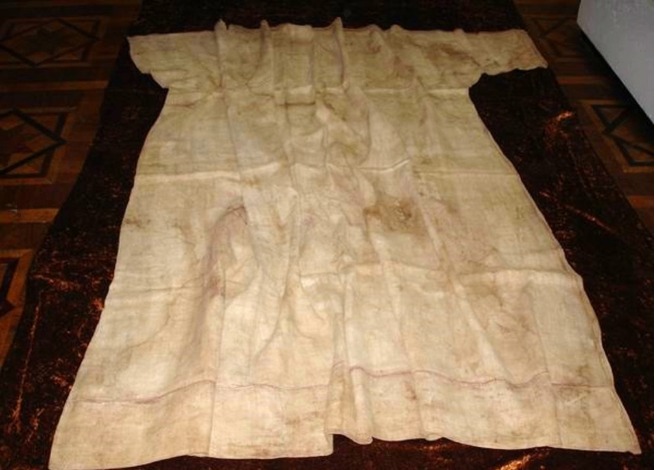
The Shroud of the Virgin Mary

One of the greatest relics of Megrelia is the shroud — the tunic — of the Virgin Mary, brought from Byzantium to Western Georgia by the ancestors of the Dadiani princes. Today it is kept in the collection of the Dadiani Palace in Zugdidi and is shown for veneration only on the great church feasts.

The Shroud of the Virgin Mary
Biography

Royal Dadiani Heritage

The House of Dadiani ruled the principality of Samegrelo in western Georgia for centuries — a dynasty of princes, commanders and protectors of the Caucasus.

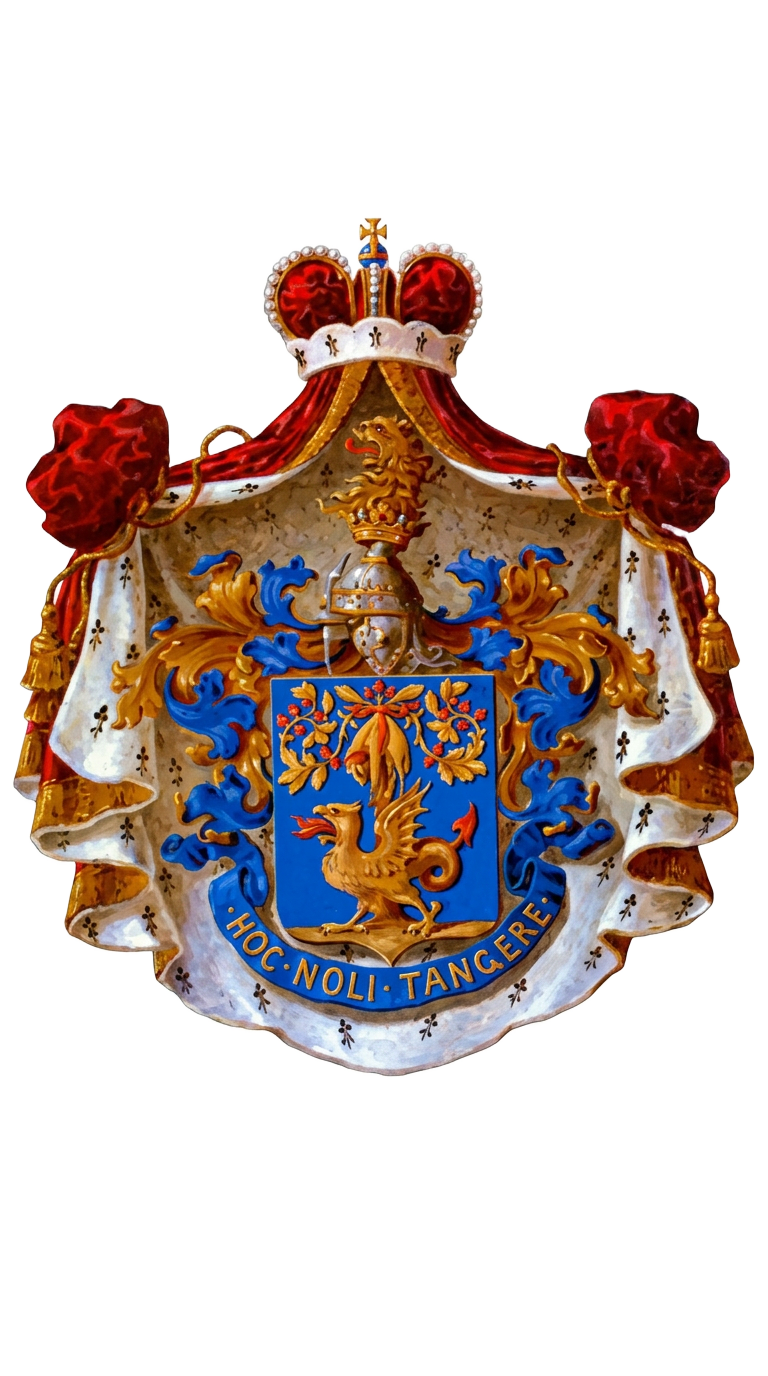
The family crest carries the golden griffin and the motto "Hoc Noli Tangere" — "Touch This Not." A warning carried from the battlefield through the centuries.

Today that lineage continues through service and strength: discipline forged in the mountains of Georgia, upheld across generations.

Coat of arms of the princely House of Dadiani
Newsroom

News & Press

Press release

The House of Dadiani opens its official digital presence

The Royal Dynasty of the Princes Dadiani, one of the oldest princely houses of the Caucasus and sovereign rulers of Mingrelia, announces the launch of its official website.

The new site presents the genealogy, heritage, charitable work and human-rights initiatives of the Monarchical House, as well as the history of the Dadiani palaces, the shroud of the Virgin Mary and the relics preserved in the family museum.

The House of Dadiani continues to serve as a living link between the ancient state of Colchis and the modern world, preserving the memory and honour of the dynasty.

News

‘Duel of Princes of Blood’: annual world tournament of princes

Prince Dmitry Dadiani is organising an annual world tournament of princes. The new tradition under the patronage of the House of Dadiani aims to show the strength and valour of today’s princes and knights. The first duel will be registered with the Guinness Book of Records.

Heritage

Dadiani Palace collections to be presented online

The family museum and Zugdidi Botanical Garden are being prepared for a new digital archive of photographs and historical documents.

Foundation

Charitable programmes of the Monarchical House continue

Humanitarian, educational and cultural projects that honour the Dadiani legacy are accepting partners and supporters.

Media

Press accreditation opening soon

Outlets can register interest through the contact section below.

Get in touch

Contact & Social

For press, foundation, heritage and appearances.